Why You Should Join a BRSC Adult Soccer League
Why You Should Join a BRSC Adult Soccer League
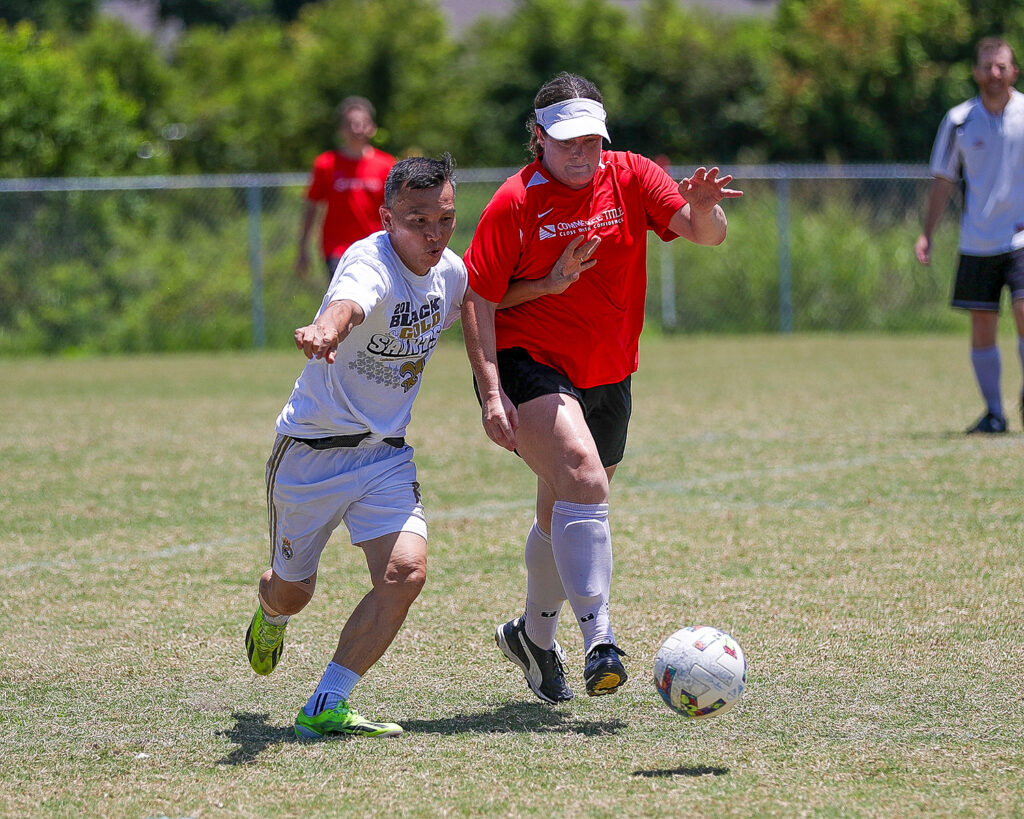
Looking for a fun way to stay active, meet new people, and enjoy the game you love? Baton Rouge Soccer Club offers adult soccer leagues for players of all skill levels and ages 18 and up. Whether you’re a seasoned player or brand new to the game, there’s a place for you in BRSC’s adult soccer community.
Leagues for Every Age and Skill Level
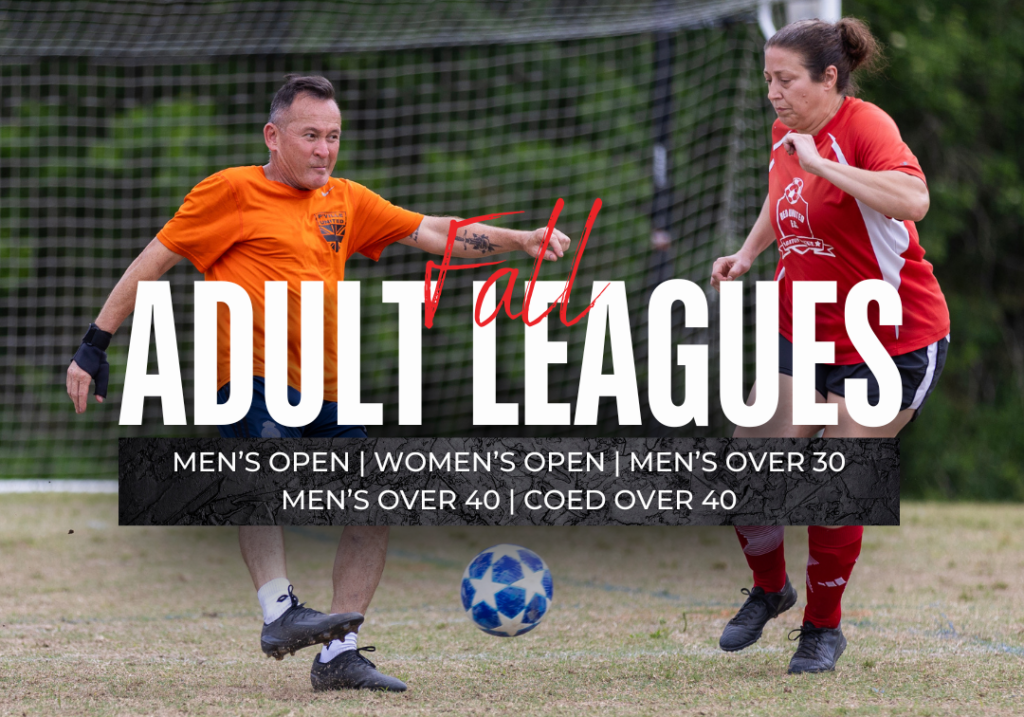
Our adult leagues are designed with flexibility in mind. From highly competitive matches to more recreational, social games, BRSC has options to suit every type of player. Choose from:
-
Men’s Open
-
Men’s Over 30
-
Women’s Open (we need more female players!)
-
Coed Over 40
You can join as a free agent, sign up with friends, or even form your own team.
Stay Fit and Active
Soccer is one of the best full-body workouts you can get. Playing regularly can boost your cardiovascular health, improve agility and coordination, and reduce stress. It’s a fun and engaging way to stay in shape and beats the monotony of a treadmill.
Build Friendships and Community
Adult soccer isn’t just about goals and assists, it’s about connection. Many of our players return season after season for the friendships and camaraderie that come with being part of a team. If you’re new to the area or just looking to expand your social circle, this is a great way to get involved.
Ready to Play?
Registration is open now! Learn more about available divisions, schedules, and how to sign up at brsoccer.org/adult.
Adult League Fall Registration
Protect What Powers You: Why Proper Shin Guard Sizing Matters

At Baton Rouge Soccer Club, player safety is always a top priority. One of the most overlooked, yet essential pieces of protective equipment is the shin guard. Recently, we’ve seen a growing concern, players cutting down their shin guards or using models that don’t offer adequate protection. This puts players at serious risk of both minor bruises and more serious leg injuries.
Whether you’re lacing up for U6 or preparing for a college showcase, the rules are the same: you must wear properly sized, NOCSAE-approved shin guards.
What Do the Rules Say?
According to the FIFA Laws of the Game 2024/25, shin guards “must be made of a suitable material and be of an appropriate size to provide reasonable protection and be covered by the socks. Players are responsible for the size and suitability of their shin guards.” In other words, if your shin guards don’t actually protect your shins, you’re not properly equipped to play.
What Counts as “Appropriate Size”?
An appropriate shin guard should:
- Cover most of the shin, from just above the ankle to a few inches below the knee.
- Match the player’s leg size and age group; one size does not fit all.
- Be a matching pair, not two unrelated pieces.
- Fit securely under the sock without needing to be cut or altered.
Too many players are trimming shin guards to “feel faster” or reduce weight. But doing so compromises safety and violates regulations. If you’re cutting your shin guards, you’re also cutting your chances of staying on the field injury-free.
NOCSAE Approval: The Gold Standard
The National Operating Committee on Standards for Athletic Equipment (NOCSAE) sets the bar for protective gear in youth and professional sports. Look for the NOCSAE logo. It can be found printed directly on the shin guard or on its interior tag. If it doesn’t have that symbol, it hasn’t passed the safety testing required for match play.
All BRSC players must wear NOCSAE-approved shin guards. Referees can check each player before games and ask coaches to confirm proper equipment. If a player isn’t wearing approved shin guards, they will not be allowed to play until they are.
“Confidence on the field starts with knowing you’re protected,” says BRSC Athletic Trainer Riley Proffer. “A well-fitted shin guard gives players the freedom to play aggressively without unnecessary risks. Cutting down your shin guards does not make you faster. Trust the fit and you will stay on the field longer.”
Don’t Guess! Use the Size Chart.
To help you find the right fit, we’ve included a shin guard size chart from Adidas (click to enlarge). When in doubt, reach out to your coach or Riley Proffer for guidance. We’re here to help.

Everything you need to know about the BRSC Capitals’ final match!

By Karalyn Thomas
The BRSC Capitals are in the GCL2 Final and will face off against Central Louisiana FC at Olympia Stadium on Saturday, July 12th at 7:15 pm.
It was an unforgettable night under the lights for the Capitals, backed by an electric crowd of over 300 fans. The Capitals defeated LA Krewe Rush 4-1 in a thrilling match that kept the crowd on their toes!
Alicia Whidden, a BRSC parent in the stands for the semi-final game, said, “I know how hard they have worked for this, and it’s so awesome to watch it all unfold.” Join us to #RepTheRedstick in your BRSC gear this Saturday! Remember that BRSC youth players will get in free if they are wearing their RED game shirt! There will also be a halftime challenge. Ages 11-17 will be $5 admission, and ages 18+ will be $10 (processing fees not included).
These Caps have been UNDEFEATED all season long and this is the first time since 2021 that this team has qualified for the playoffs. Head Coach Craig Scott stated, “We’ve been grinding since April, practicing and getting in shape for the season. We’ve added quality players on top of the quality we retained from last season. The squad has the perfect balance between experience and youth. Everyone is hungry for the same outcome.”
When asked what the team will focus on for the finals, Scott said, “We will look to maintain sharpness and continue to focus on what we can control to ensure we’re ready!”
As coach Craig Scott approaches his last game ever with this team, he reflects and says, “I have enjoyed every moment, highs and lows. It’s been an excellent learning experience and journey on a personal level, and I’m excited to close out the season as we look for our first GCPL title.”
Opponent Overview
Central Louisiana FC secured their spot in the playoffs by tying 4-4 with LA Krewe Rush. They then went on to defeat Mississippi Blues in their semi-final playoff 2-1, which qualified them for the upcoming championship match.
BRSC Capitals have worked their way to the top, and it all comes down to the final battle. We need YOU in the stands! Loud. Proud. United. Pack the stadium and show the Capitals what home support sounds like!
Age group cut-off update for 2026-27 season
|
|
|